
After a night on the town, it’s easy to blame a headache on too much alcohol. But if you’re prone to migraine headaches, drinking even a small amount of alcohol can bring on an attack. Aside from this, there is some evidence to show that drinks that have been through an ageing process are liable to cause more reactions within the body.
- The delayed alcohol headache or the hangover is visible the next day.
- Even people who are not prone to headaches can find themselves with hangover headaches, and about one-third of patients with migraine note alcohol as a trigger for their attacks.
- The short answer is that while it’s possible for alcohol to cause a migraine attack, it’s often a bit more complicated.
The Connection between Headaches, Alcohol Withdrawal, and Stress
Furthermore, remember that your weight, age, and body composition also affect alcohol metabolism. The older you are, the harder it is for your body to metabolize alcohol. The short-term effects of alcohol usually manifest in the form of a hangover. If you frequently suffer from alcohol-related headaches, and are struggling to cut back, there are also new solutions. Ria Health’s online program can help you cut back or quit without having to put your life on hold. Get access to anti-craving medications, regular coaching meetings, expert medical advice, digital tools, and more—all from an app on your smartphone.
- This will be helpful in guiding conversations with your doctor about your symptoms.
- When you become dehydrated, your body loses essential fluids and electrolytes, which are necessary for proper hydration and bodily functions.
- In addition to these factors, there are some individuals who are more predisposed to experience headaches during alcohol withdrawal due to a series of genetic factors.
- This makes you susceptible to diseases because your body loses the ability to fight off infections.
More articles on:
It can help you identify patterns over time and help your doctor identify if you are experiencing migraine. Mounting evidence suggests there may be a connection between migraine and mental health. Anxiety disorders and depression are two of the most commonly reported mental illnesses among people who are diagnosed with migraine. By learning Twelve-step program how migraine and mental health impact one another and ways to manage both, you can improve your quality of life.
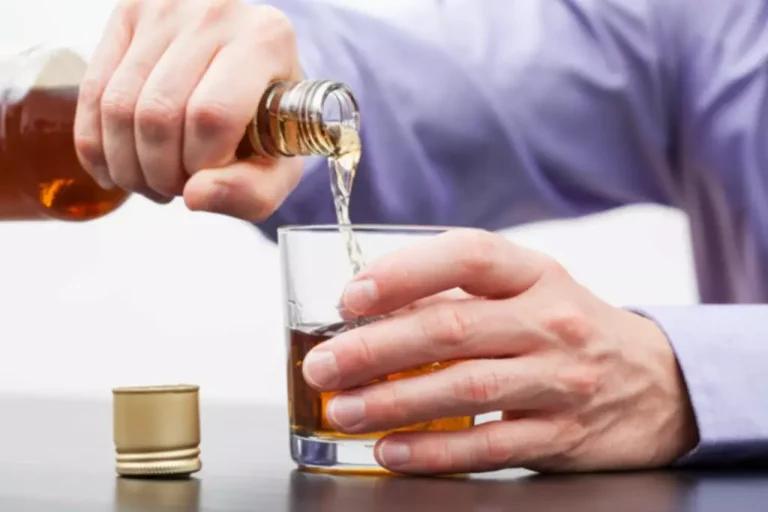
Ingredients in Alcoholic Beverages That Can Cause a Stuffy Nose After Drinking
Hangovers are another significant factor contributing to post-drinking headaches. They typically occur 8-24 hours after drinking and are characterized by various why do i get a headache after i drink alcohol symptoms, including headaches, nausea, fatigue, and sensitivity to light and sound. The severity of a hangover often correlates with the amount and type of alcohol consumed.


If your shakes last longer than 24 hours, or if you’re concerned that they might be a sign of withdrawal, it’s best to talk with a healthcare professional as soon as possible. When you drink carbonated beverages, the gas can cause bloating and make your stomach expand. This can give you a feeling of being full and also put pressure on your intestines, which can lead to cramps or an overall feeling of discomfort. If these measures don’t provide relief, however, it’s important to see a doctor to rule out other potential causes of headaches. This will help to rehydrate your body and ease any dehydration that may be contributing to your headache. You might also want to take over-the-counter pain relievers such as ibuprofen or acetaminophen.
What’s the best hangover cure?
If a person’s body is producing less vasopressin, that can result in dehydration, which can cause a headache. The best way to avoid developing a headache after consuming alcohol is to drink in moderation. However, if a person does develop a headache, there are ways to help manage the pain. But if you’re prone to migraine headaches, you’ll need to be careful about how much you drink. A 5-ounce glass of wine (or 12 ounces of beer or a 1.5-fluid-ounce shot) may be OK every now and then, so long as it doesn’t bring on a headache. If it does, you’ll need to drink less or stay away from all alcohol.